
Arthur Besse
cultural reviewer and dabbler in stylistic premonitions
- 67 Posts
- 221 Comments
Formally.

 27·8 days ago
This video is full of jarring edits which initially made me wonder if someone had cut out words or phrases to create an abbreviated version. But, then I realized there are way too many of them to have been done manually. I checked the full original video and from the few edits i manually checked it seems like it is just inconsequential pauses etc that were removed: for instance, when Linus says “the other side of that picture” in the original there is an extra “p” sound which is removed here.
Yet another irritating and unnecessary application of neural networks, I guess.
 7·9 days ago
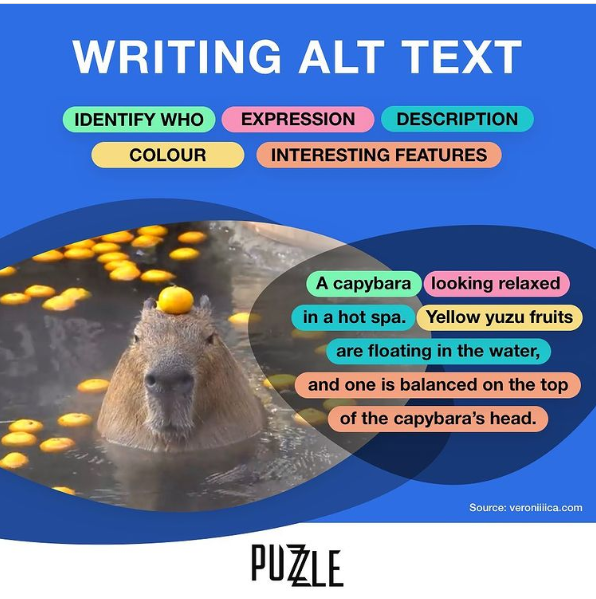
Lemmy added an alt text field for image-only posts a few versions ago; it would be nice if more people would use it.
At least this post does link to the mastodon post which it is a screenshot of.

 1·13 days ago
I hope they’ll be gentle if they ever realize Canada exists
here is their canada portal: https://www.aljazeera.com/where/canada/
they also have some documentaries: https://www.youtube.com/@aljazeeraenglish/search?query=canada

Auschwitz was in Poland. They were careful to keep all the concentration camps out of Germany
The six extermination camps where 2.7 million of their victims were murdered were all in Poland, but the Nazis did have hundreds (or dozens, if you count all of the subcamps near a larger one as being a single camp) of concentration camps in Germany.
Posting maps and call it a day. Classic. Any kind of context is for nerds I guess?
Your comment I replied to also doesn’t say anything about the context of the expansion, it just says it “is not real”.
But if you want some context, I encourage you to watch the 20min video i posted earlier in this thread.
NATO expansion
Which is not real. I am saddened you choose to believe in it.
🤔
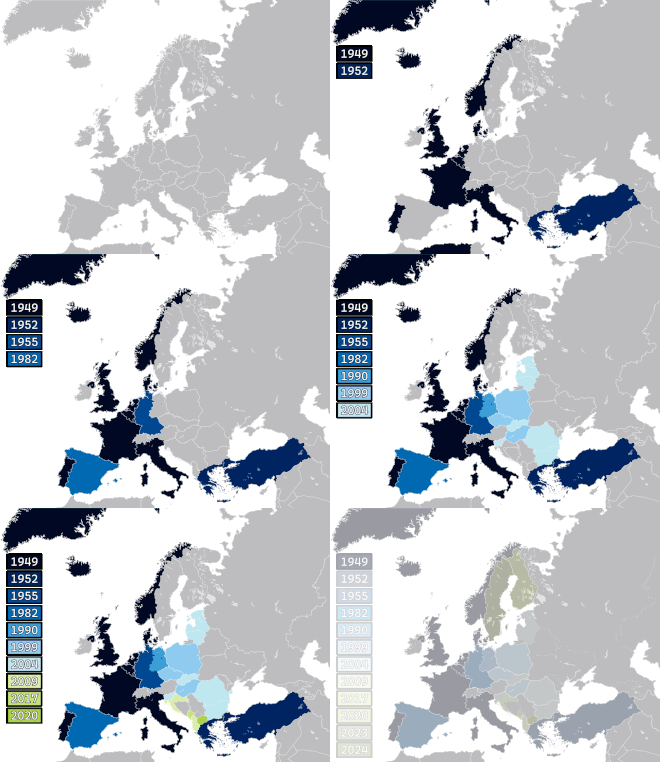
(via this article https://en.wikipedia.org/wiki/Enlargement_of_NATO …which will presumably amaze you)
If you’re actually curious and have 20 minutes, try this video: Ukraine: The Avoidable War
 12·28 days ago
The tone which comes across in the video (linked from the other post I linked to in this post’s description) is unfortunately much less amicable than this article conveys.
the guy speaking off camera in the linked 3min 30s of the video is Ted Ts’o, according to this report about the session.

That pin can be found for $30 or $35 on on ebay here and here, where it is described as being from the 80s and as an “employee pin”.
I was thinking that this might have been something aimed specifically at technology buyers in US schools in the 80s or 90s, to whom Apple offered substantial institutional discounts in a (relatively successful) effort to dominate that sector. However searching the phrase “does more costs less” i found this TV spot advertising the Quadra 605 which at $1000 was the cheapest computer Apple sold when it was introduced in October 1993 (and allegedly cheaper than something else they refer to as “PC Leading Brand” 😂). That system was sold under the LC and Performa brands up to 1996, but it was only sold as a Quadra until October 1994, so, to answer OP’s question: that slogan was in use at least sometime in that year.

ip -br a(
-bris short for-briefand makesip’saddr,link, andneighcommands “Print only basic information in a tabular format for better readability.”)
 12·1 month ago
If copyright holders want to take action, their complaints will go to the ISP subscriber.
So, that would either be the entity operating the public wifi, or yourself (if your mobile data plan is associated with your name).
If you’re in a country where downloading copyrighted material can have legal consequences (eg, the USA and many EU countries), in my opinion doing it on public wifi can be rather anti-social: if it’s a small business offering you free wifi, you risk causing them actual harm, and if it is a big business with open wifi you could be contributing to them deciding to stop having open wifi in the future.
So, use a VPN, or use wifi provided by a large entity you don’t mind causing potential legal hassles for.
Note that if your name is somehow associated with your use of a wifi network, that can come back to haunt you: for example, at big hotels it is common that each customer gets a unique password; in cases like that your copyright-infringing network activity could potentially be linked to you even months or years later.
Note also that for more serious privacy threat models than copyright enforcement, your other network activities on even a completely open network can also be linked to identify you, but for the copyright case you probably don’t need to worry about that (currently).
it’s been nearly four years since he stopped being involved with it, fyi.
Really?! I have never seen a paywall there, and I usually access it using tor browser (so, coming from a variety of countries).

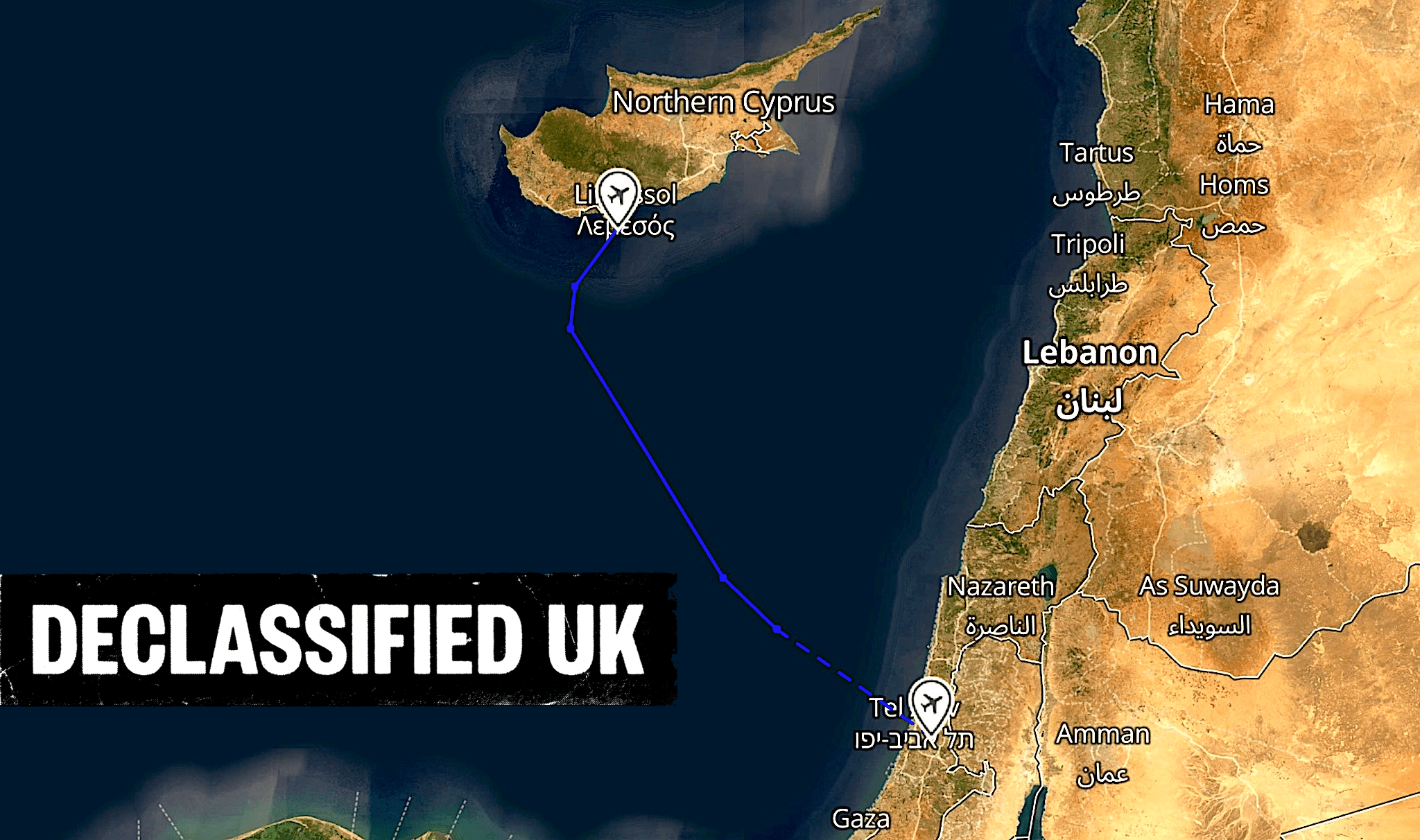






I wrote a comment here about why sealed sender does not achieve what it purports to.