
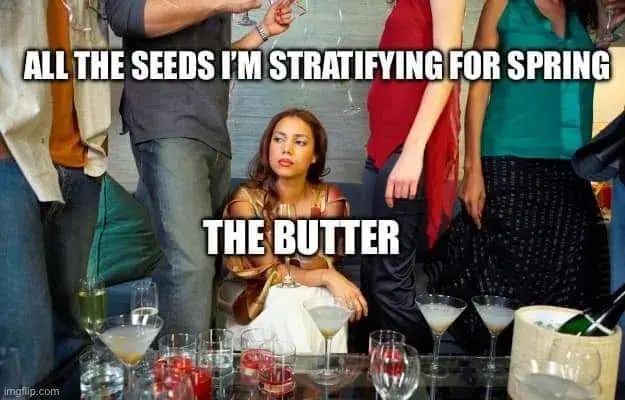
I was about to feel attacked but then I remembered i collected seeds from “probably asters” yesterday
Small scale permaculture nursery in Maine, education enthusiast, and usually verbose.
- 162 Posts
- 943 Comments
Joined 1 year ago
Cake day: June 10th, 2023
You are not logged in. If you use a Fediverse account that is able to follow users, you can follow this user.
Awesome shots! What an adorable subject
 3·2 days ago
Thank you! And may I add

Thank you for crossposting this here! I sent the original thread to a few friends who have dabbled in hydro setups this morning. Keep up the great work!

 14·3 days ago
Something I like to do is to take their call scripts and mail them as signed letters. Phone calls can be useful, sure (when they’re answered or the answering machine isn’t full or disabled), but my understanding is that written letters are taken more seriously in those offices. The order of significance, as it was explained to me, goes email -> phone call -> letter.
 14·3 days ago
Jones said he would move to a new studio, websites and social media accounts that were already set up.
Lawyers for the plaintiffs were too busy high-fiving over another set of seizable assets to respond prior to publication
They’re the best, hands down!

Hah I wish! It’s be cuteness overload
I’m not going to lie, I’m jealous of the home automation control and your average inside temps! I’ve got a small grow closet and have the shutoff thermostat in the lowest level of shelving, but am not allowed to have it below 68F because of the newborn and a wife who is always cold 😂
Very cool! Are you relying on your lights and ambient heat for temperature maintenance, or are you supplementing the heat?
I’m much the same way, and constantly trying to consciously be more inclusive in conversations

gif of an epic leaping high five goes here
(this reply added almost purely for comedic value because of the thread)
When we’re talking about the countable number of something, “fewer” is a more appropriate word to choose; when it’s more conceptual then “less” is a better option. A good way to recognize which to choose is by examining the prompting question. In the parent comment you replied to, the question was “how many guys?” which alludes to a set number. Had they asked “how much of this” then there’s not a way for us to know the count. As an example: I could have used fewer words for this reply but I would have to be less pedantic.
Great explanation! Good job! (💕)
Cool ombre, hombre!
Remember to move hornworms to your non-production/trap tomatoes to see more of them!







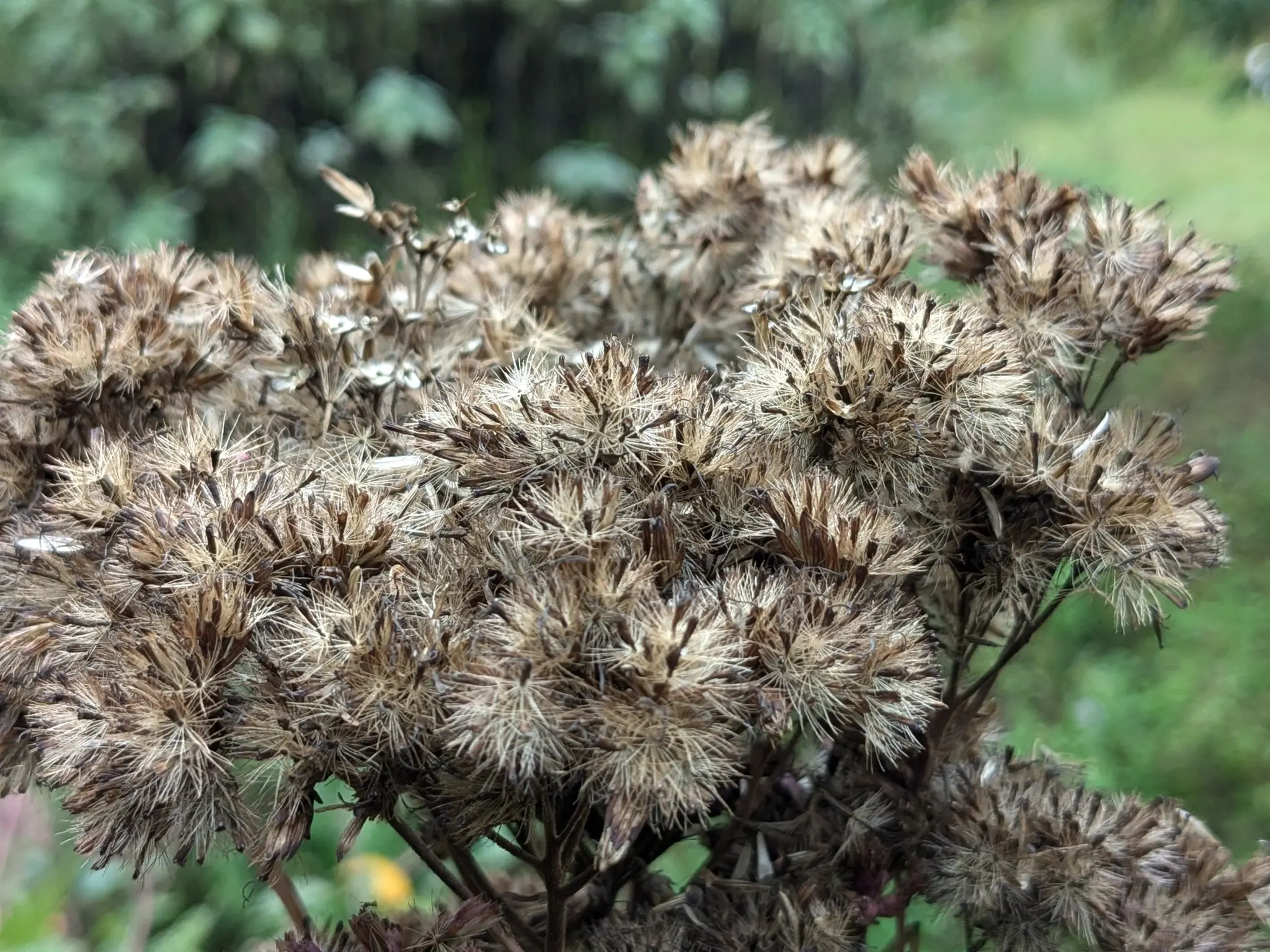
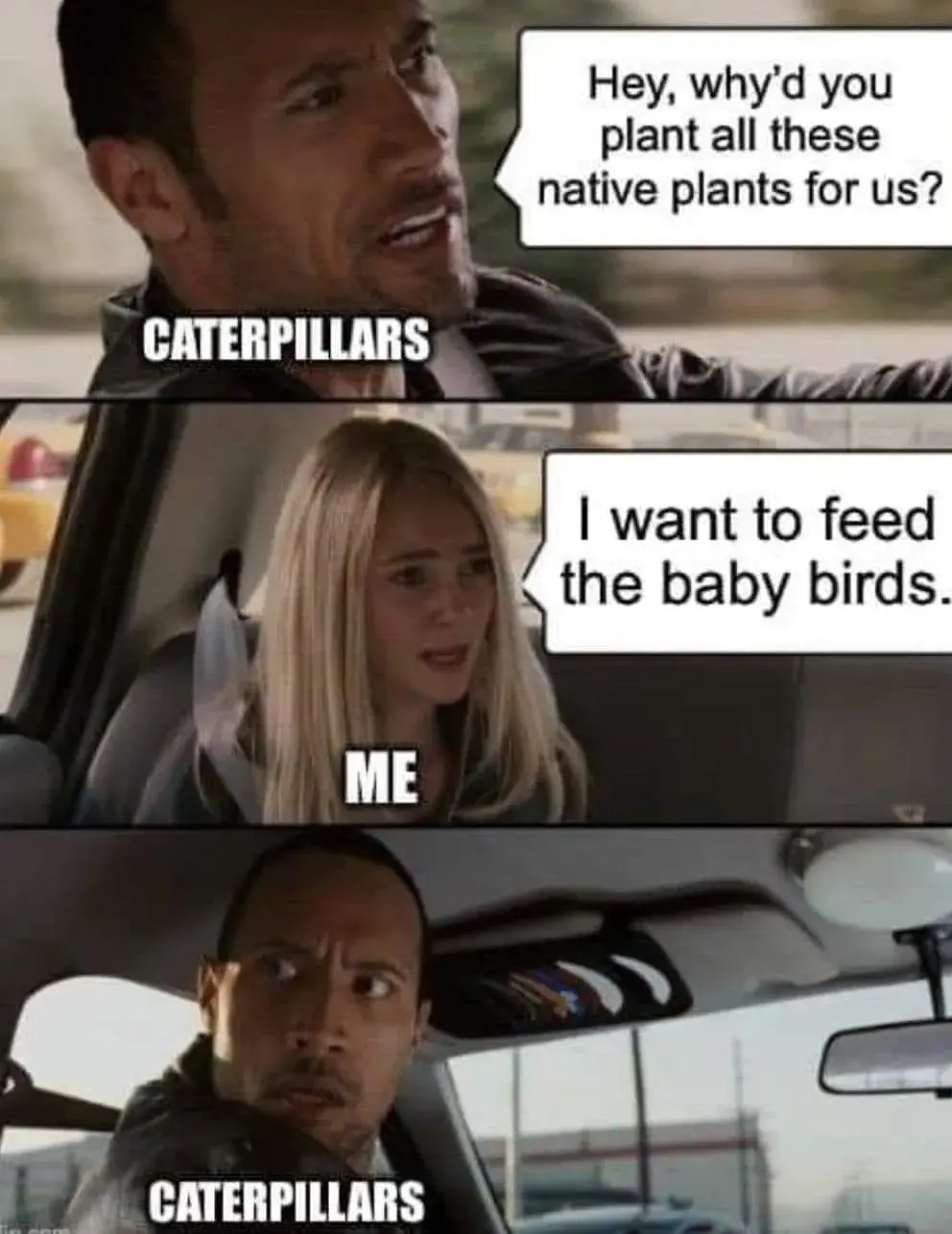
💕
This is an incredibly good point - blueberries often have a hard time rooting without a number of fundamental factors in place. Soil type, how a particular site drains or holds water, whether a host of other organisms are able to support the sometimes tenuous grasp they have to the space; even how acidic or basic a particular plot is will heavily influence how well they can do, let alone whether they’ll thrive there. Finding anywhere else that’s suitable is a monumental task, and daunting.
It’s my belief that everyone who can be a steward should be looking to blunt as much of the disturbance as they can for the blueberries that aren’t able to be uprooted, like a thick protective mulch to prevent the damage that can drive too deeply into the soil, while also keeping those new spaces they find in mind for the ones that can be safely relocated. Preferably in a way that inoculates the soil to provide a resurgence of them, and makes the whole area more conducive to the beauty and nourishment that they provide. It’s that mindset of interconnectedness, with blueberries, that allows for a path for understanding how best to approach the task at hand. It would be impossible to do without respecting the needs of the blueberries in question.